Chapter 2: History, Growth & Why This Region Exists
Lesson 2: Railroads → Suburbs → Highway Commute → Remote Work
What if you could live surrounded by mountains and rivers, yet keep your NYC career—and maybe only go into the office when you feel like it?
For over 170 years, better transportation has made the Hudson Valley more accessible as an escape from the city. But each era came with trade-offs... until perhaps now.
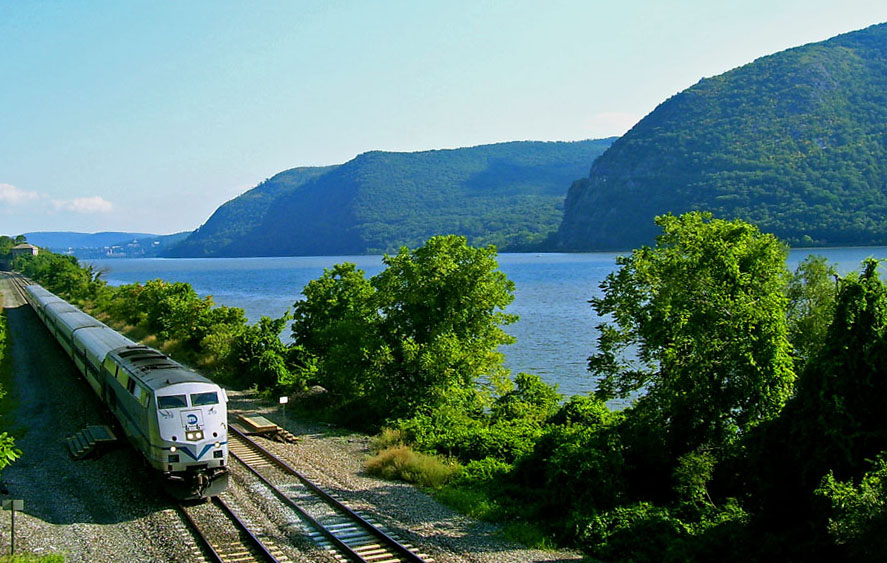
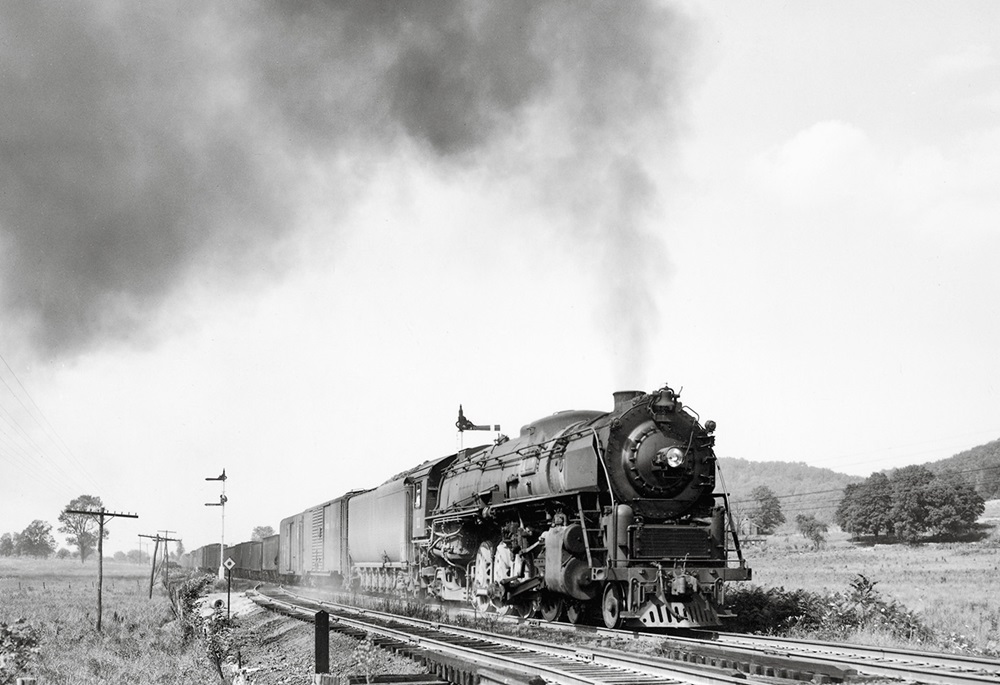
The story starts with railroads. In 1851, the Hudson River Railroad connected Manhattan to Albany. Towns like Tarrytown, Peekskill, Beacon, and Poughkeepsie suddenly became reachable in hours, not days.
Quick Micro-Learning: Evolution in 60 Seconds or Less
Link to longer overview: Hudson Valley Railroad History (great detailed video)
Popular YouTube Short: Scenic ride on the Hudson Line with autumn colors
Search YouTube Shorts/Instagram Reels/TikTok for “Metro North Hudson Line view” for more quick POV clips!
The Four Eras of Hudson Valley Commuting (Click to expand)
1840s–1900s: Railroads – The First Escape
1900s–1980s: Metro-North Era – Suburb Boom
1950s–2010s: Highways – Car Freedom
2020–Today: Remote/Hybrid – The Game Changer
Why Right Now (January 2026) Might Be the Best Time Ever
- Super-express Metro-North running: Poughkeepsie to GCT in under 90 min (as low as 88-89 min on select trips), Beacon in ~73 min. Learn more
- Metro-North service planned extension to Albany (new stops in Rhinecliff & Hudson) starting spring 2026. Details here

- Amtrak Airo trains debuting in 2026: faster, modern comfort, better Wi-Fi. Explore Airo
- EVolve NY on track for 400+ fast chargers by early 2026 along major corridors. Find locations
Your Turn: Independent Exploration Activities (Click to expand each)
1. Plan a Sample Amtrak Trip
Example real scenario: Search from New York Penn Station to Poughkeepsie on a Tuesday morning departing at 8 AM, returning same day at 6 PM. Note the time (about 1.5 hours each way), cost (~$50-80 round-trip), and amenities like Wi-Fi.
Now try your own: Input your preferred dates, times, and towns to see how it fits your commute!
2. Check Metro-North Schedules & Maps
Example real scenario: From Beacon to Grand Central on a weekday super-express train departing around 7:30 AM—arrives in ~73 minutes, costs ~$20-30 off-peak round-trip.
Now try your own: Choose a town like Peekskill or Cold Spring, input commute times, and explore station parking or river views!
3. Find Nearby EV Charging Stations
Example real scenario: Search for DC fast chargers near Beacon, NY—find stations at the Beacon Train Station lot or nearby Stewart Shops with 150kW chargers, often free or $0.43/kWh.
Now try your own: Input a town like Newburgh or Rhinebeck, filter for Level 3 fast chargers, and see how close they are to potential homes or routes!
Quick Check: Which era finally decoupled daily commuting from where you live?
AI-Powered Personalization
Make this lesson yours—ask an AI how these transportation eras match your move.
Prompt to copy & paste:
"I'm moving from NYC to the Hudson Valley in 2026. With historic railroads, highways, current super-express Metro-North, upcoming extension to Albany, Amtrak Airo trains, expanded EV charging, and remote work, which towns best fit me? I want [easy NYC trips / fully remote / family space / arts scene]. Suggest 3 and explain transportation support."